• Skip to main content
  • Skip to footer

Tomahawk Tree Service

Over 30 Years of Honest and Reliable Tree Service

  • Home
  • About Us
  • Services
    • Emergency Tree Service
    • Junk Removal
    • Tree and Limb Removal
    • Tree Service and Pruning
  • Testimonials
  • Atlanta Arborist
  • Contact

Tree Health

Oct 12 2023

Tree Safety in Pioneering Days vs. Modern Day Homes

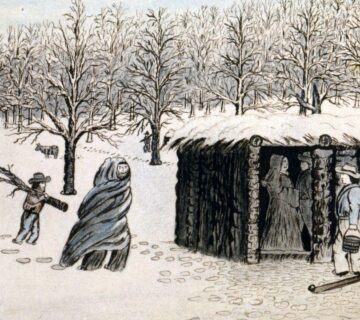
In the early days of America, pioneers faced a multitude of challenges, one of which was ensuring the safety of their homes and properties. Clearing trees from around their homes was a common practice to mitigate risks such as fire hazards, the dangers of falling branches, and wild animal encounters. However, as times have changed, so have building practices. Today, builders often leave trees intact due to the associated costs, posing potential risks for homeowners. In this article, we will explore how pioneers of America cleared trees for safety reasons and compare these practices with modern construction methods, with a focus on the hazards trees pose to homeowners.

As we look back to the early days of America, it’s essential to understand how pioneers prioritized safety when it came to their homes and properties. The practice of clearing trees was commonplace in an era when resources were limited, and the wilderness posed numerous threats. In contrast, modern builders often leave trees intact due to the expenses involved, leaving homeowners to face potential risks. Let’s dive in and explore the historical and contemporary perspectives on tree clearing for safety and its implications, with a focus on the hazards trees pose to homeowners.

The Pioneers’ Approach to Trees

Clearing Trees for Safety

Pioneers faced a harsh and untamed wilderness. To secure their homes and families, they would clear the land surrounding their dwellings. This ensured that there were fewer fire hazards, reduced the risk of falling branches, and minimized wild animal encounters. The act of clearing trees required significant physical effort, but it was considered a necessity for survival.

In addition to safety, pioneers recognized the practical value of cleared trees. Trees felled during the clearing process provided essential resources for their daily lives. These resources included building materials for constructing homes and other structures, firewood for heating and cooking, and even materials for constructing fencing to protect livestock.

Building with Limited Resources

Early settlers often had limited building materials and tools. Clearing trees not only provided a safer environment but also yielded valuable resources for constructing their homes and other essential structures. Trees were used for building materials, firewood, and even as a means of fencing. Every tree cleared served a dual purpose, enhancing both safety and sustainability.

Modern Building Practices

The Cost Factor

In the modern era, builders face different challenges. Clearing trees has become an expensive undertaking due to the costs associated with tree removal, including equipment, labor, and potential legal restrictions. Consequently, builders often choose to work around existing trees, even if it means compromising safety to some extent.

The costs involved in tree removal can vary significantly depending on the size and location of the trees. Heavy machinery and skilled labor are often required, adding substantial expenses to construction projects. Moreover, in some areas, there are regulations in place that restrict or prohibit the removal of certain tree species, further complicating the process.

Dangers of Trees for Homeowners

One significant concern in modern building practices is the potential hazards trees pose to homeowners. While cost savings are a driving factor for builders, homeowners may find themselves at risk due to trees that are dangerous or pose a risk being left on a property.

Fire Hazards

In regions prone to wildfires, the proximity of trees to homes can create a significant fire risk. Embers from nearby wildfires can ignite trees, and flames can spread rapidly. Modern homeowners often implement fire mitigation strategies such as creating defensible spaces around their properties, using fire-resistant building materials, and maintaining firebreaks.

Falling Branches and Property Damage

Trees near homes can pose a hazard for homeowners due to falling branches. During storms or due to age and disease, branches can break and potentially cause property damage or injury to residents. Modern homeowners must assess the health and condition of trees near their properties and take measures to mitigate potential risks. Pruning and regular tree maintenance are essential to reduce the chances of branches falling and causing harm to structures or individuals.

Wildlife Encounters

The proximity of trees can attract wildlife, leading to encounters that pose risks to homeowners. Modern homeowners often encounter wildlife such as raccoons, squirrels, and even larger animals like deer in their yards. While these encounters can be exciting, they can also lead to property damage and safety concerns. Homeowners may need to employ humane methods to deter wildlife from venturing too close to their homes.

Balancing Safety vs. Cost

Modern builders must strike a balance between safety and cost-effectiveness. While clearing trees can enhance safety, it can also strain budgets. Finding a middle ground that prioritizes safety without breaking the bank remains a challenge.

Builders face the complex task of weighing safety concerns against financial constraints. While safety should always be a priority, the high costs associated with tree removal can impact project budgets significantly. Builders often collaborate with arborists and ecologists to make informed decisions about which trees to preserve and how to minimize safety risks while keeping costs manageable.

Conclusion

In comparing the practices of pioneers in clearing trees around their homes for safety reasons with modern building practices, we see a significant shift. Pioneers cleared trees out of necessity, while today’s builders face economic considerations that often lead to the preservation of trees, even when they pose hazards to homeowners. This evolution reflects changing values and priorities in our society.

If you suspect that you have hazardous trees on your property, don’t hesitate to seek professional help. Tomahawk Tree Service specializes in hazardous tree inspections and removals. We can assess the condition of your trees and provide solutions to mitigate risks. Remember, your safety comes first, and taking proactive measures can protect your property and the well-being of your family. Contact Tomahawk Tree Service today to schedule an inspection and ensure the safety of your home.

Written by Tomahawk Tree Service · Categorized: Tree Care, Tree Health

Aug 07 2023

Choosing Between Tree Removal and Tree Treatment

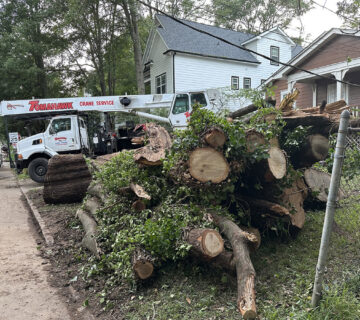
As a homeowner, you cherish the lush greenery and natural beauty of the trees on your property. Trees not only enhance the aesthetics of your landscape but also contribute to the overall well-being of the environment. However, there may come a time when you must make a crucial decision regarding the health and safety of your property: whether to opt for tree removal or consider tree treatment. In this article, we will explore the key aspects that will guide you in making informed and responsible decisions, taking into account various factors like tree service, tree care, storm damage, and more.

The Importance of Trees in Your Landscape

Trees play a vital role in maintaining the beauty and vitality of your landscape. They offer much more than just an aesthetically pleasing view. Trees are nature’s air purifiers, absorbing carbon dioxide and releasing oxygen, thus improving the air quality around your property. Moreover, their broad canopies provide much-needed shade, reducing energy costs during scorching summer days. Trees also create habitats for numerous wildlife species, adding to the biodiversity of your surroundings. Recognizing the importance of trees is essential before making any tree-related decisions.

When to Consider Tree Removal

While trees are remarkably resilient, they can face various health issues. In some cases, removing a tree becomes a necessary and difficult choice. Trees that are severely diseased and beyond recovery, structurally compromised to the point of being a hazard, or those that pose safety threats due to their precarious condition may require removal. Look for visible signs such as extensive decay, numerous dead branches, or a noticeable lean to identify a tree in distress. Promptly addressing these issues through tree removal can prevent property damage, injuries, and even fatalities while ensuring the safety of your family and neighbors.

Exploring Tree Treatment Options for a Healthy Landscape

Tree treatment, often referred to as tree care, encompasses a range of techniques aimed at rejuvenating struggling trees. If a tree’s condition is not beyond recovery and the issues are treatable, this avenue can salvage both the tree and your investment in it. Common treatments include fertilization to provide essential nutrients, pest control to combat destructive insects, and targeted trimming of diseased limbs. A certified arborist can provide insights into the feasibility of treatment for your tree’s specific problems and guide you in the best course of action.

Seeking Professional Advice

When facing the dilemma of tree removal service or tree treatment, seeking counsel from a certified arborist or tree care professionals is a wise step. These experts possess the knowledge and experience needed to comprehensively evaluate the tree’s health, offer valuable advice, and help you decide between removal and treatment based on your unique circumstances. Their expertise ensures that you receive accurate and tailored information, allowing you to navigate the complex decision-making process with confidence.

Environmental and Cost Considerations

While considering your options between tree removal and tree treatment, it’s crucial to account for both the environmental impact and associated costs. Removing a tree may be necessary if a tree’s detrimental effects extend to other plant life, utility lines, or your property’s structural integrity. However, it’s essential to acknowledge that removal also comes with its own environmental costs, including habitat loss and decreased air quality due to the disposal process.

On the other hand, tree treatment often presents a more environmentally conscious choice. By preserving a tree through treatment, you retain its benefits while minimizing its impact on the ecosystem. Additionally, tree treatment can prove to be more cost-effective than removal, especially if the tree holds sentimental value or has significant monetary worth. By comparing treatment costs with potential disposal expenses and considering the long-term benefits of a healthy tree, you can make an informed and environmentally responsible decision.

Making the Decision

Several factors should guide your decision-making process, including the tree’s health, its role in your landscape, safety concerns, and potential expenses. Weighing these aspects collectively will help you determine the best course of action for your property. If a tree’s health is severely compromised and poses safety risks, removal may be the only safe alternative. However, if the tree has the potential to thrive with treatment, it’s prudent to explore this avenue. Balancing immediate and long-term considerations is crucial in arriving at a well-rounded decision that aligns with both your property’s well-being and your personal values.

Ensuring Optimal Tree Care

In our age of DIY enthusiasm, it might be tempting to embark on tree care endeavors yourself. However, it’s often safer and more effective to engage professional help. Certified arborists possess the knowledge, tools, and experience necessary to tackle tree-related issues efficiently. They can accurately diagnose tree problems, design appropriate treatment plans, and ensure the safety of the surrounding area throughout the process. Furthermore, experts can provide guidance on post-treatment care, optimizing the tree’s chances of recovery and growth.

Hazardous Tree Assessment & Stump Grinding

Trees with compromised structural integrity present significant risks, particularly during storms or high winds. Professional assessment is important in determining whether treatment is viable or if removing them is the sole means of averting potential accidents. Neglecting a hazardous tree can result in property damage, injuries, and legal liabilities. Arborists trained in hazard assessment can evaluate a tree’s stability and propose suitable actions. In instances where removal is necessary, stump grinding and stump removal services can efficiently eliminate the remaining stump, elevating the safety and aesthetics of your landscape.

Replacing vs. Preserving

Considering the long-term consequences of your decision is pivotal. While removing a tree may open up space for new plantings or construction, it also alters the visual appeal of your property. Preserving a mature tree, conversely, sustains the aesthetic and ecological equilibrium of your landscape. Projecting how your property will evolve over time and appreciating trees’ contributions to its character are both essential considerations.

Emotional Attachment to Trees & Landscapes

Homeowners often foster emotional bonds with trees, especially those planted by family members or linked to cherished memories. Such sentimental attachments can influence decision-making. Although emotions hold weight, it’s crucial to harmonize them with practical concerns for the tree’s health and its impact on your property. Seeking the guidance of professionals can provide a well-rounded perspective that considers both emotional connections and objective tree health.

Boosting Property Value through Strategic Tree Care

Meticulous tree care significantly elevates your property’s value. Whether through removal or treatment, strategic tree care guarantees your landscape remains an asset. Well-maintained trees, when properly attended to, can even emerge as focal points that attract potential buyers, thereby augmenting resale value. By investing in tree care, you invest in the overall allure and marketability of your property.

DIY Maintenance for Healthy Trees

Regular maintenance, encompassing proper pruning, watering, and mulching, plays a pivotal role in the well-being of your trees. These simple yet effective DIY practices can extend your trees’ lifespan and diminish the likelihood of necessitating extensive treatments or removals. However, it’s imperative to educate yourself on appropriate techniques and abstain from excessive pruning or inadvertent damage in the process. If uncertainty prevails, consider reaching out to tree services for a free estimate.

Sustainable Tree Management & Pruning

Opting for tree treatment aligns with sustainable practices. Preserving trees contributes to environmental conservation by curbing the carbon footprint and nurturing local ecosystems. Healthy trees absorb carbon dioxide, release oxygen, and foster habitats for diverse species. By opting for treatment when feasible, you contribute to the urban ecosystem’s resilience and well-being while supporting the intricate web of life around you.

Common Misconceptions about Tree Removal & Tree Services

Misconceptions surrounding tree care abound and can sway decision-making. Some believe removal is the sole solution for any problem, while others assume that any ailing tree is beyond salvation. Dispelling these misconceptions empowers homeowners with accurate information for sound decision-making. Collaborating with an arborists aids in debunking these myths and gaining a nuanced understanding of tree care, ultimately guiding you toward a well-considered choice.

Embracing Sustainability

With growing environmental awareness, the trajectory of tree care leans towards sustainability. Embracing innovative techniques and technologies ensures that both removal and treatment harmonize with ecological responsibility. Arborists continue to develop approaches that prioritize tree health and ecosystem preservation, reflecting a broader commitment to environmental well-being. Staying up-to-date with advancements in tree care empowers homeowners to make choices aligned with environmental stewardship and the long-term health of their property.

Making the Right Choice for Your Property

Choosing between tree removal and tree treatment is a decision that demands thoughtful consideration. By understanding the signs of a troubled tree, exploring treatment options, seeking expert advice, and factoring in environmental considerations, you can make an informed choice. Each situation is unique, making a one-size-fits-all answer obsolete. Your decision will influence the aesthetics, safety, and value of your property. Ultimately, prioritizing the health of your trees and the well-being of your environment will guide you toward the right path, ensuring a harmonious coexistence between your property and the natural world around it.

Contact Us for a Free Estimate

If you require professional tree care services, including emergency tree removal, tree care, tree trimming, pruning, or stump grinding, our licensed and insured team of tree experts is here to help. Contact us today for quality service and a free estimate and let us assist you in maintaining healthy and beautiful trees while ensuring the safety and value of your property. Don’t wait until storm damage becomes a problem; take proactive steps to preserve your trees and enhance your landscape’s sustainability.

Written by Tomahawk Tree Service · Categorized: Atlanta Arborist, Tree Care, Tree Health, Tree Service Blog

Dec 20 2022

What is tree pruning and why is it necessary?

What exactly is tree pruning?

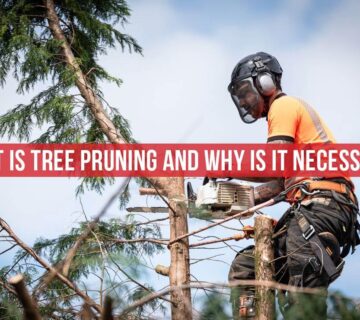
Tree pruning is the process of removing branches or limbs from a tree. Pruning is necessary for the health, safety, and longevity of the tree. It also helps to control the growth of the tree and can be used to shape a tree to improve its overall appearance and structural integrity.

Why tree pruning is necessary?

This is a question that can be answered by considering the tree’s size, the amount of foliage, and the overall health of the tree. When trees that are too large for their environment a pruning strategy should be planned as soon as possible. Trees that are sickly or dying should also be pruned as soon as possible to avoid danger from falling trees or limbs. If you notice that your tree has started to it is likely that the tree is in the process of falling! It is now time to immediately time to call Tomahawk Tree Service before damages occur.

There are many benefits to consider when pruning a tree which include better overall tree health, improved structural integrity, and a reduced risk of falling branches and limbs that can cause personal injury, property damage, and/or powerline interference.

Tree pruning can also help improve the amount of sunlight and wind to pass through the tree to allow for optimal growth of grass, plants, and other trees in the surrounding area. This can improve the trees survivability of high winds and storms.

What are the different types of tree pruning?

There are a few different types of tree pruning. These include:

Deadwooding

Deadwooding a tree is the process of removing dead, dying, or diseased branches from the tree. This helps to improve the tree’s health and appearance and can also help to prevent damage to nearby property or even people. Dead wooding prevents decay from spreading further into the tree which helps to increase the longevity and lifespan of a tree.  

Selective Pruning

Selective tree pruning is the removal of selected branches or limbs from a tree in order to improve its structure, shape, or growth.

Corrective Tree Pruning

Corrective tree pruning is the selective process of repair or removal of beams, branches, and limbs to improve the structure or appearance of the tree. It is typically used to remove damaged, diseased, or dead branches, as well as to thin out overcrowded areas.

Tree Thinning

Tree thinning is a combination of structural and selective pruning. The process of thinning a tree involves removing selected branches to accomplish a specific purpose. For instance, you may want to prune specific limbs to allow sunlight to reach the ground to improve grass growth under the tree. Or allowing wind to pass through the tree to mitigate potential damage to beams, branches, and limbs during high winds.

Canopy Lifting

Canopy lifting is simply cutting the lower branches of a tree to allow room for a variety of reasons. You may want to allow people to walk under the tree without having to dodge branches, you may also want to plant vegetation under the tree, or you may also want to lift the canopy for a visual effect. Many people may think lifting a canopy will allow additional sunlight to reach the ground, but this isn’t always the case because for every action there is an equal and opposite reaction. Canopy lifting typically causes upper branches to grow larger and taller. It’s important to consult your Tomahawk Arborist to discuss your specific needs and a pruning solution to accomplish your goal.

Structural tree pruning

Structural tree pruning is a process of removing limbs and branches of a tree that are growing in an undesirable direction, interfering with surroundings, or competing with the central lead. This should be done in various stages of the trees life for ideal structural soundness.  

Conclusion

Tree pruning and tree care are important because it helps a tree maintain its health and encourages proper growth. Other benefits of tree trimming include protecting your home or property from falling tree damage by allowing trees to maintain an upright shape and grow strong roots, trunks, and branches. If you would like to book a pruning estimate please contact Tomahawk Tree Service today to get started.

Written by tomahawktreeservice · Categorized: Atlanta Arborist, Tree Care, Tree Health, Tree Service Blog

Aug 13 2022

How to Diagnose Common Tree Health Problems

How long has it been since you walked your property and took a really good look at your trees? It’s important to periodically check your trees to determine if you have any tree health problems around your home.

Sure, they are beautiful, provide shade in all the right places, and play a key role in the landscape design of your property… but problems could be lurking in the leaves and branches.

August is National Tree Check Month which means this is the ideal time to assess the trees on your property to ensure they are tip-top! A quick check will help you stop the invasion of persistent pests and discover diseases before they kill an important part of your landscape.

Is your tree healthy and normal?

The first place to start is definitively knowing what type of tree you have. Does it shed its leaves each year like an oak or maple? Or is it an evergreen that like a spruce or a pine? And don’t feel like you have to exactly what species it is, you just want to have a general sense of what the tree should look like when it’s healthy.

Check the leaves

  • Are the leaves yellow, red, or brown?
  • Are they spotted or discolored?
  • Do the leaves look distorted or disfigured?
  • Is there a sticky liquid on the leaves?
  • Do the leaves appear wet, or give off a foul odor?
  • Are leaves missing?
  • Are parts of the leaves chewed?

Check the trunk and branches

  • Are there holes or splits in the trunk or branches?
  • Is the bark peeling from a tree that shouldn’t shed its bark?
  • Are there tunnels or unusual patterns under the bark?
  • Is there sawdust on or under the tree?
  • Is there sap oozing down the tree?
  • Does the sap have a bad odor?
  • Do sticky drops fall on you when you stand under the tree? 

If you answered YES to any of the questions above, there’s a good chance something is wrong. And now would be the perfect time to decide how you should treat the issue or if it is time to remove the tree before the problem spreads.

Three Things to Do to Minimize Tree Health Problems

Confirm the Tree Species:

  • If you are unsure, use the Arbor Day Tree Guide to confirm the type of tree it is.

Diagnose the Problem:

  • Tree diseases and pests vary tremendously from region to region, and what’s ailing a tree is often difficult to diagnose. Here are some online resources you can use to hopefully determine what may be going on.
    • University of Georgia Extension
    • Georgia Forestry Commission
    • Arbor Day Foundation

Call in the Pros at Tomahawk Tree Service:

  • Our team of experts will come out and do an assessment of what is going on and if necessary, provide a free estimate if trimming, pruning, or removal is necessary.
    • Click here to book your appointment online right now.

If you have questions or you would like to speak with our Tomahawk Tree Service operations scheduling team to set up an appointment or discuss potential tree health problems, call us at 770.640.0003.

Tomahawk Tree Service Special Offer National Tree Health Month
Atlanta's Best Tree Service Award to Tomahawk Tree Service

Written by tomahawktreeservice · Categorized: Atlanta Arborist, Tree Care, Tree Health · Tagged: National Tree Health Check Month, Tree Care, Tree Health

Apr 24 2021

5 Springtime Tree Care Tips in Atlanta

Despite recent cooler temperatures, it’s time to add springtime tree care to your to-do list!

This is the time of year when the trees around your home need some additional attention and care. So, now is the perfect time for homeowners to assess how things look to make sure your trees are set up for a successful summer whatever the weather may bring.

To assist you in this effort here are five tips to ensure that your trees will thrive:  

CLEANING

Our first step simply involves cleaning the tree and the surrounding areas of it. Prune away dead, damaged, or diseased limbs.  Proper pruning protects your green assets from the unsafe branches that suffered damage from winter weather. Make sure to remove any remaining holiday décor from the trunks and branches.

After removing any holiday decorations, focus on the weeds. Weeds compete with the tree for water and nutrients, so make sure to remove any. Spring is the perfect time for this as dirt is still soft from the rain. In addition to that, making sure that dead leaves and sticks are not clogging up the areas around the tree is vital.

MULCHING

Now that the entire area around your trees has been cleaned up, you can move on to putting down mulch. Use mulch to help conserve moisture. Mulch also secures the organic matter trees need beneath the soil surface.

Keep the soil covered with a 3- to 5-inch layer of mulch starting a few inches from the base of the trunk and extending 1 to 2 feet from the tree in all directions (creating a circle around the tree).

‘This is an extremely important process for your trees because the mulch will allow the tree to retain more water, instead of allowing it to run off. It is also a fantastic help for keeping away weeds and will reduce the damage from your lawnmower.

WATERING

To ensure that your tree does not dry out as the weather continues to get warmer, make sure to give it a thorough watering throughout the spring. Deep watering prevents weak surface roots from forming and encourages the growth of robust roots underground. 

If you have a younger tree, you should water closer to the trunk, as it is not as established yet. The roots of trees under 3 years old are usually not spread out completely. As trees grow, use more water less often. Approximately 10 gallons for each inch of trunk diameter.

PRUNING

Springtime is ideal for pruning because all your greenery has been dormant for the past few months. It is also a great time for it because there are fewer leaves, making it easier to see what you are doing, as well as fewer bugs and pests, and a lower risk of disease.

To prune, remove competing plants, including ivy and lawn. These plants can hide defects such as areas of decay and can trap moisture around the root crown, creating the perfect environment for fungus. If there are extra stubs from old limbs, make sure to remove those, as well as cutting back branches that rub together.

FERTILIZE

Springtime is the perfect time to start fertilizing your trees – mostly because this is right before everything starts growing and blossoming. Before your trees and shrubs enter peak growing season, apply a slow-release fertilizer to not only replace nutrients but also to improve plants’ resistance to damage from diseases, insects, and stressful weather.

To ensure that your plants are being fertilized properly, here are a few tips. Provide larger trees with about ¼ to ½ pound of nitrogen per inch of diameter, and for smaller trees use ¼ of a pound. Over time it will be easier to tell if more fertilizer is needed, but this is a good place to start.

We Can Help With Your Springtime Tree Care…

Maintaining your trees is, of course, a year-round job, but taking big steps to ensure their health in the spring will set them up for a great year!

As always, let the pros at Tomahawk Tree Service know if we can help you with your springtime tree care, pruning, and tree removal at your home. Remember we make it easy and we chop um cheap!

Written by tomahawktreeservice · Categorized: Atlanta Arborist, Tree Care, Tree Health, Tree Service Blog · Tagged: Spring, Tree Care, Tree Health

Footer

Atlanta's Best Tree Service Award to Tomahawk Tree Service

Follow Us on Social Media

Facebook icon Twitter icon

Expertise in crane work, storm damage, and insurance claim projects.

For Emergency Service call 770-640-0003
or Click Here to Contact us

Leave Us A Review

© 2025 Tomahawk Tree Service | Fully Licensed & Insured