• Skip to main content
  • Skip to footer

Tomahawk Tree Service

Over 30 Years of Honest and Reliable Tree Service

  • Home
  • About Us
  • Services
    • Emergency Tree Service
    • Junk Removal
    • Tree and Limb Removal
    • Tree Service and Pruning
  • Testimonials
  • Atlanta Arborist
  • Contact

Atlanta Arborist

Aug 07 2023

Choosing Between Tree Removal and Tree Treatment

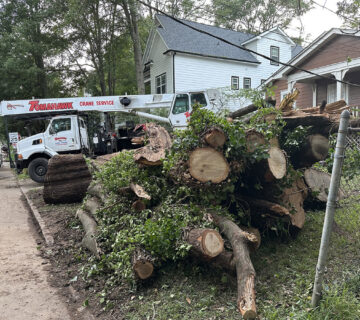
As a homeowner, you cherish the lush greenery and natural beauty of the trees on your property. Trees not only enhance the aesthetics of your landscape but also contribute to the overall well-being of the environment. However, there may come a time when you must make a crucial decision regarding the health and safety of your property: whether to opt for tree removal or consider tree treatment. In this article, we will explore the key aspects that will guide you in making informed and responsible decisions, taking into account various factors like tree service, tree care, storm damage, and more.

The Importance of Trees in Your Landscape

Trees play a vital role in maintaining the beauty and vitality of your landscape. They offer much more than just an aesthetically pleasing view. Trees are nature’s air purifiers, absorbing carbon dioxide and releasing oxygen, thus improving the air quality around your property. Moreover, their broad canopies provide much-needed shade, reducing energy costs during scorching summer days. Trees also create habitats for numerous wildlife species, adding to the biodiversity of your surroundings. Recognizing the importance of trees is essential before making any tree-related decisions.

When to Consider Tree Removal

While trees are remarkably resilient, they can face various health issues. In some cases, removing a tree becomes a necessary and difficult choice. Trees that are severely diseased and beyond recovery, structurally compromised to the point of being a hazard, or those that pose safety threats due to their precarious condition may require removal. Look for visible signs such as extensive decay, numerous dead branches, or a noticeable lean to identify a tree in distress. Promptly addressing these issues through tree removal can prevent property damage, injuries, and even fatalities while ensuring the safety of your family and neighbors.

Exploring Tree Treatment Options for a Healthy Landscape

Tree treatment, often referred to as tree care, encompasses a range of techniques aimed at rejuvenating struggling trees. If a tree’s condition is not beyond recovery and the issues are treatable, this avenue can salvage both the tree and your investment in it. Common treatments include fertilization to provide essential nutrients, pest control to combat destructive insects, and targeted trimming of diseased limbs. A certified arborist can provide insights into the feasibility of treatment for your tree’s specific problems and guide you in the best course of action.

Seeking Professional Advice

When facing the dilemma of tree removal service or tree treatment, seeking counsel from a certified arborist or tree care professionals is a wise step. These experts possess the knowledge and experience needed to comprehensively evaluate the tree’s health, offer valuable advice, and help you decide between removal and treatment based on your unique circumstances. Their expertise ensures that you receive accurate and tailored information, allowing you to navigate the complex decision-making process with confidence.

Environmental and Cost Considerations

While considering your options between tree removal and tree treatment, it’s crucial to account for both the environmental impact and associated costs. Removing a tree may be necessary if a tree’s detrimental effects extend to other plant life, utility lines, or your property’s structural integrity. However, it’s essential to acknowledge that removal also comes with its own environmental costs, including habitat loss and decreased air quality due to the disposal process.

On the other hand, tree treatment often presents a more environmentally conscious choice. By preserving a tree through treatment, you retain its benefits while minimizing its impact on the ecosystem. Additionally, tree treatment can prove to be more cost-effective than removal, especially if the tree holds sentimental value or has significant monetary worth. By comparing treatment costs with potential disposal expenses and considering the long-term benefits of a healthy tree, you can make an informed and environmentally responsible decision.

Making the Decision

Several factors should guide your decision-making process, including the tree’s health, its role in your landscape, safety concerns, and potential expenses. Weighing these aspects collectively will help you determine the best course of action for your property. If a tree’s health is severely compromised and poses safety risks, removal may be the only safe alternative. However, if the tree has the potential to thrive with treatment, it’s prudent to explore this avenue. Balancing immediate and long-term considerations is crucial in arriving at a well-rounded decision that aligns with both your property’s well-being and your personal values.

Ensuring Optimal Tree Care

In our age of DIY enthusiasm, it might be tempting to embark on tree care endeavors yourself. However, it’s often safer and more effective to engage professional help. Certified arborists possess the knowledge, tools, and experience necessary to tackle tree-related issues efficiently. They can accurately diagnose tree problems, design appropriate treatment plans, and ensure the safety of the surrounding area throughout the process. Furthermore, experts can provide guidance on post-treatment care, optimizing the tree’s chances of recovery and growth.

Hazardous Tree Assessment & Stump Grinding

Trees with compromised structural integrity present significant risks, particularly during storms or high winds. Professional assessment is important in determining whether treatment is viable or if removing them is the sole means of averting potential accidents. Neglecting a hazardous tree can result in property damage, injuries, and legal liabilities. Arborists trained in hazard assessment can evaluate a tree’s stability and propose suitable actions. In instances where removal is necessary, stump grinding and stump removal services can efficiently eliminate the remaining stump, elevating the safety and aesthetics of your landscape.

Replacing vs. Preserving

Considering the long-term consequences of your decision is pivotal. While removing a tree may open up space for new plantings or construction, it also alters the visual appeal of your property. Preserving a mature tree, conversely, sustains the aesthetic and ecological equilibrium of your landscape. Projecting how your property will evolve over time and appreciating trees’ contributions to its character are both essential considerations.

Emotional Attachment to Trees & Landscapes

Homeowners often foster emotional bonds with trees, especially those planted by family members or linked to cherished memories. Such sentimental attachments can influence decision-making. Although emotions hold weight, it’s crucial to harmonize them with practical concerns for the tree’s health and its impact on your property. Seeking the guidance of professionals can provide a well-rounded perspective that considers both emotional connections and objective tree health.

Boosting Property Value through Strategic Tree Care

Meticulous tree care significantly elevates your property’s value. Whether through removal or treatment, strategic tree care guarantees your landscape remains an asset. Well-maintained trees, when properly attended to, can even emerge as focal points that attract potential buyers, thereby augmenting resale value. By investing in tree care, you invest in the overall allure and marketability of your property.

DIY Maintenance for Healthy Trees

Regular maintenance, encompassing proper pruning, watering, and mulching, plays a pivotal role in the well-being of your trees. These simple yet effective DIY practices can extend your trees’ lifespan and diminish the likelihood of necessitating extensive treatments or removals. However, it’s imperative to educate yourself on appropriate techniques and abstain from excessive pruning or inadvertent damage in the process. If uncertainty prevails, consider reaching out to tree services for a free estimate.

Sustainable Tree Management & Pruning

Opting for tree treatment aligns with sustainable practices. Preserving trees contributes to environmental conservation by curbing the carbon footprint and nurturing local ecosystems. Healthy trees absorb carbon dioxide, release oxygen, and foster habitats for diverse species. By opting for treatment when feasible, you contribute to the urban ecosystem’s resilience and well-being while supporting the intricate web of life around you.

Common Misconceptions about Tree Removal & Tree Services

Misconceptions surrounding tree care abound and can sway decision-making. Some believe removal is the sole solution for any problem, while others assume that any ailing tree is beyond salvation. Dispelling these misconceptions empowers homeowners with accurate information for sound decision-making. Collaborating with an arborists aids in debunking these myths and gaining a nuanced understanding of tree care, ultimately guiding you toward a well-considered choice.

Embracing Sustainability

With growing environmental awareness, the trajectory of tree care leans towards sustainability. Embracing innovative techniques and technologies ensures that both removal and treatment harmonize with ecological responsibility. Arborists continue to develop approaches that prioritize tree health and ecosystem preservation, reflecting a broader commitment to environmental well-being. Staying up-to-date with advancements in tree care empowers homeowners to make choices aligned with environmental stewardship and the long-term health of their property.

Making the Right Choice for Your Property

Choosing between tree removal and tree treatment is a decision that demands thoughtful consideration. By understanding the signs of a troubled tree, exploring treatment options, seeking expert advice, and factoring in environmental considerations, you can make an informed choice. Each situation is unique, making a one-size-fits-all answer obsolete. Your decision will influence the aesthetics, safety, and value of your property. Ultimately, prioritizing the health of your trees and the well-being of your environment will guide you toward the right path, ensuring a harmonious coexistence between your property and the natural world around it.

Contact Us for a Free Estimate

If you require professional tree care services, including emergency tree removal, tree care, tree trimming, pruning, or stump grinding, our licensed and insured team of tree experts is here to help. Contact us today for quality service and a free estimate and let us assist you in maintaining healthy and beautiful trees while ensuring the safety and value of your property. Don’t wait until storm damage becomes a problem; take proactive steps to preserve your trees and enhance your landscape’s sustainability.

Written by Tomahawk Tree Service · Categorized: Atlanta Arborist, Tree Care, Tree Health, Tree Service Blog

Jul 11 2023

The Importance of Hiring a Certified Arborists

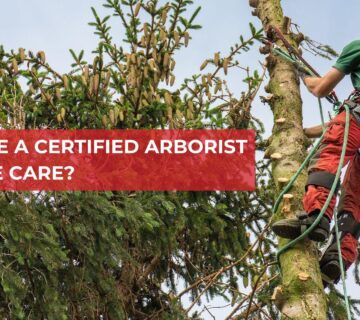
When it comes to taking care of your trees, it’s essential to hire professionals who have the expertise and knowledge to ensure their well-being. Certified arborists are trained and equipped to work safely in trees and provide the necessary care they need. In this article, we will explore the world of arboriculture, the role of certified arborists, and why hiring them is crucial for tree care.

What is Arboriculture?

Arboriculture is the science and practice of cultivating, managing, and studying trees, shrubs, and other woody plants. It encompasses various aspects of tree care, including planting, pruning, trimming, disease control, and risk assessment. Arboriculture focuses on promoting tree health and considering the needs of people and property.

The Role of Certified Arborists

Certified arborists are professionals who have acquired the necessary knowledge and skills to provide expert tree care services. They are certified by recognized organizations such as the International Society of Arboriculture (ISA) and have undergone rigorous examinations to demonstrate their competence.

Certified arborists have a deep understanding of tree biology, appropriate care techniques, and the latest advances in arboriculture. They possess specialized tools and equipment to diagnose and treat tree diseases, safely remove trees, and perform various tree service tasks. Their expertise extends to urban forestry, where they address the unique challenges of trees in urban environments.

Why Hire Certified Arborists?

1. Knowledge and Expertise

Arborists possess extensive knowledge, training and equipment for proper tree care. They understand the specific needs of different tree species and can provide the necessary care and maintenance. With their in-depth understanding of tree biology, they can test and treat diseases, detect internal decay, and accurately assess tree risk.

2. Safety and Property Protection

Tree service should always prioritize safety, especially when dealing with large trees or those near power lines. Arborists are trained to work safely in trees, minimizing the risk of accidents or property damage. They undergo the necessary training and utilize appropriate equipment such as harnesses, chainsaws, and aerial lifts to ensure safe and efficient tree work.

3. Tree Health and Vitality

Arborists play a crucial role in promoting the health and vitality of your trees. Through proper tree care techniques, such as pruning and trimming, they encourage healthy growth and maintain structural integrity. By removing dead or dying branches, trees will allocate resources to healthy parts, enhancing overall health and longevity.

4. Pest and Disease Management

Trees can be susceptible to various pests and diseases that can harm their health. Trained professionals have the knowledge and experience to identify and manage these issues effectively. They can implement appropriate pest control measures and recommend preventive strategies to keep your trees healthy and free from harmful infestations.

5. Tree Removal and Risk Assessment

In certain situations, tree removal may be necessary due to safety concerns, poor health, or property development plans. Arborists are trained in the safe removal of trees, even in challenging scenarios. They can assess the risk associated with tree removal and develop a plan to ensure a smooth and secure process.

6. Arboricultural Consulting

Arborists offer valuable consulting services to property owners, municipalities, and tree care companies. They provide expert advice on tree selection, planting techniques, and long-term management plans. Their recommendations help ensure that the right tree species are planted in suitable locations, considering factors such as soil conditions, space availability, and environmental suitability.

Frequently Asked Questions (FAQs)

1. What is the International Society of Arboriculture (ISA)?

The International Society of Arboriculture (ISA) is a professional organization dedicated to promoting the practice of arboriculture worldwide. It sets industry standards, provides certifications for arborists, and offers resources and education to enhance the knowledge and skills of its members.

2. How can arborists improve the health and vitality of my trees?

Certified arborists have the expertise to assess the health of your trees and provide appropriate care recommendations. They can help treat diseases, implement proper pruning techniques, and address any nutritional deficiencies. Their efforts aim to enhance the health and vitality of your trees while promoting their long-term well-being.

3. What are the education requirements to become a certified arborist?

To become a certified arborist, individuals must meet specific education requirements established by organizations such as the ISA. These requirements typically include a combination of formal education in arboriculture, horticulture, or a related field, as well as practical experience in the field. Passing a rigorous examination is also necessary to obtain certification.

4. How often should I hire an arborist?

The frequency of hiring an arborist depends on various factors, such as tree species, age, and health condition. Generally, it is recommended to have regular tree inspections and maintenance every 1-3 years. However, specific trees may require more frequent care or attention based on their individual needs and environmental factors.

5. Can arborists assist with tree-related legal issues?

Yes, they can provide expert advice and assistance in tree-related legal matters. They can assess tree risk, evaluate tree-related damage, and provide professional opinions and reports for legal proceedings. Their expertise in tree biology and arboriculture makes them valuable resources in legal cases involving trees and property damage.

Conclusion

Hiring a certified arborist for tree service is crucial to ensure the well-being and longevity of your trees. Their knowledge, expertise, and commitment to proper tree care practices make them invaluable in maintaining the health and vitality of trees. Whether it’s diagnosing and treating diseases, pruning, thinning or providing expert advice, arborists play a vital role in preserving the natural beauty of our environment.

Remember, when it comes to your trees, always choose certified arborists for the best care and results.

Written by Tomahawk Tree Service · Categorized: Atlanta Arborist, Tree Care, Tree Service Blog

May 18 2023

Steps to Take Immediately After a Tree Emergency

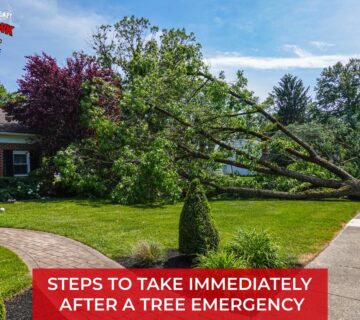
Experiencing a tree emergency in Atlanta can be a stressful and overwhelming situation. Acting promptly and effectively is essential to ensure the safety of your property and loved ones. Tomahawk Tree Service has crafted a comprehensive guide with step-by-step instructions on what to do immediately after a tree emergency in Atlanta, helping you navigate through this challenging situation.

Step 1: Prioritize Personal Safety

Assessing the immediate surroundings and prioritizing personal safety should be your first concern. Take the following precautions:

  • Look for any immediate dangers, such as hanging branches or downed power lines. Keep a safe distance from these hazards.
  • If you suspect that a tree or structure is unstable, avoid approaching it.
  • In case of severe damage or injuries, dial 911 or the appropriate emergency number immediately.
  • Remember, your safety and the safety of others should always come first.

Step 2: Document the Damage

Documenting the extent of the damage is crucial for insurance purposes and filing claims. Follow these steps:

  • Take photographs or videos of the fallen tree, property damage, and any relevant details. Capture multiple angles and close-ups to provide a comprehensive visual record.
  • Write down important details, including the date and time of the incident, weather conditions, and any notable observations. This written record will assist you during insurance claims and professional assessments.
  • Make note of any witnesses or conversations with professionals who might assess the damage later. Their insights can be valuable for documentation and future references.

Step 3: Contact Tree Removal Professionals

Contacting a professional tree removal services is essential to safely and efficiently address the tree emergency. Follow these steps:

  • Research and select reputable tree removal companies in Atlanta. Check online reviews, ask for recommendations from friends or neighbors, and verify their credentials, including licenses and insurance coverage.
  • Call for immediate assistance. Reach out to the selected tree removal companies that specialize in emergency services. Provide them with accurate information about the situation and request their prompt response.
  • By contacting professionals promptly, you can minimize further damage and ensure a swift resolution to the tree emergency.

Step 4: Notify Your Insurance Provider

Informing your insurance company about the tree emergency is crucial for initiating the claims process. Take the following steps:

  • Contact your insurance provider as soon as possible. Refer to your insurance policy for the appropriate contact information or consult with your agent.
  • Provide precise details about the incident, including the cause of the tree emergency and the extent of the damage. Be prepared to share your documentation, such as photographs, videos, and written records.
  • Inquire about the coverage and claims process, seeking clarification on any questions or concerns you may have. Understanding your insurance policy will help you navigate the claims process more effectively.

Step 5: Secure the Property

After a tree emergency, taking steps to secure your property and mitigate further damage is essential. Follow these recommendations:

  • Clear fallen branches or debris to restore safe access to your property. Exercise caution when handling heavy objects, and use appropriate tools to avoid injury.
  • If you have broken windows or damaged roofs, consider covering them temporarily with tarps or boards to prevent further water damage or intrusions.
  • It’s important to note that temporary measures should only be taken if it is safe to do so. If the damage is extensive or poses a risk, it’s best to wait for professional assistance.

Following the Right Steps

Experiencing a tree emergency in Atlanta can be a daunting situation, but by following the right steps, you can effectively manage the aftermath. Prioritize personal safety, document the damage, contact tree removal professionals, notify your insurance provider, and secure your property. Acting promptly and efficiently will help mitigate risks, ensure a swift resolution, and facilitate the insurance claims process.

Remember, always consult with qualified professionals for accurate guidance and personalized advice based on your specific situation. By being proactive and prepared, homeowners in Atlanta can navigate tree emergencies with confidence and protect their property and loved ones.

If you require further assistance or have any additional questions, don’t hesitate to reach out to Tomahawk Tree Service.

Written by Tomahawk Tree Service · Categorized: Atlanta Arborist

Mar 20 2023

Boost Your Home’s Curb Appeal with These 3 Tree Removal Strategies

Are you looking to spruce up your home’s exterior and add curb appeal? Removing trees may be the perfect solution to enhancing your outdoor living space. Not only can it help improve visibility while brightening up the landscape, but it also helps with airflow and adds more usable square footage. However, improper tree removal techniques can leave behind lasting damage in terms of safety hazards and environmental damage. Here are three thoughtful strategies for removing trees safely and smartly that will maximize your property’s improvement potential.

Prepare Your Landscape for Tree Removal


Before removing any trees from your landscape, it’s essential to prepare the area properly. First and foremost, assess the tree’s location relative to your home and other structures on your property. Take note of nearby power lines, walkways or driveways, decks, fences or walls that could be impacted during removal.
Next, ensure you have access to all necessary equipment for safe tree removal such as chainsaws and ropes. It may also be worth enlisting professional help in assessing the best approach for removal based on factors like soil type or potential damage to surrounding flora.


Finally, be sure to plan how you will dispose of any debris left behind after tree removal – this may involve renting a chipper or arranging for a separate pickup service so as not to leave excessive mess behind that can detract from an otherwise polished outdoor space.

Identify Potential Safety Hazards


Identifying potential safety hazards when it comes to tree removal is crucial to ensure that the job is completed safely and without any damages. One of the most significant risks involved in removing trees is falling branches, which can cause serious injury or property damage. It’s important to assess the surroundings and consider factors such as nearby power lines, structures, and other obstacles. Additionally, taking into account the size of the tree being removed should also be considered when analyzing potential safety hazards.


Another safety hazard that must be taken into consideration during tree removal is personal protective equipment (PPE) usage. Proper PPE like gloves, helmet with face shield or goggles, earplugs or earmuffs if using chainsaws are crucial for anyone handling this task—not only does it prevent injuries caused by debris flying off from cutting but also helps protect against exposure to chemicals like herbicides used post-removal.


Lastly, environmental concerns should also be addressed while removing trees because improperly disposing of limbs and trunks can harm soil health affecting plants & animals living there along with groundwater quality deteriorating over time leading towards pollution issues beyond control thresholds. Therefore proper waste management protocol must be strictly followed based on location regulations for ensuring optimal sustainability within a location both now and later generations– a decision worth making before starting work on your home’s exterior projects!

Consider Professional Tree Removal Services


When it comes to enhancing your property’s curb appeal, tree removal services can be an effective solution. Removing unwanted trees from your outdoor space not only improves visibility, but also allows for increased airflow and usable square footage. However, if not done with proper techniques, tree removal can lead to safety hazards and environmental damage that may have lasting consequences.


To ensure the highest level of safety and efficiency during tree removal, consider hiring a professional arborist who has experience in this area. These experts are knowledgeable about various techniques ranging from pruning to complete removal of branches or entire trees. They also know how to properly dispose of debris and minimize any potential damage caused by the work.


In addition to being safer and more efficient than attempting DIY methods, professional tree removal services offer a range of benefits such as: saving time while taking care of difficult tasks; ensuring work is performed thoroughly using correct tools; and providing peace-of-mind knowing all work is insured against accidents or damages occurring during site cleanup. By choosing reputable professionals for your next landscaping project involving removing trees on your property you can rest assured that these improvements will enhance both aesthetics while boosting its value through improved access routes created as result their skilled approach towards getting job done correctly first time round!

Obtain the Necessary Permits and Approvals


Before you start removing trees from your property, it’s important to obtain the necessary permits and approvals. Depending on where you live, local or state regulations may require you to obtain a permit before removing any tree that is over a certain diameter or located within a specific distance from neighboring properties or environmentally sensitive areas.


To ensure compliance with all relevant laws and regulations, be sure to consult with your city government offices or hire an experienced tree removal contractor who knows the rules of disposal and has the required licenses. They will assess whether protected species exist in the area, determine which trees need extensive pruning due to damage from pests or natural calamities such as storms among others.


In addition to obtaining permits for tree removals and clearances, consider getting written permission from neighbors whose views could be impacted by tall structures (like newly erected boundary walls) raising objections about supposed loss of privacy. Maintaining good communication channels throughout this process will help ensure that your project goes smoothly without any disruptions along the way.

Select the Right Tree Removal Method


When considering removing trees from your property, it is essential to select the right method for a safe and eco-friendly result. One of the most popular tree removal methods is cutting down the tree using specialized equipment such as chainsaws or pruning shears. This approach can quickly remove unwanted branches or entire trees with minimal damage to surrounding landscaping features.


Another effective method involves grinding down the tree stump and roots after its removal to prevent regrowth and promote soil health. Stump grinding also eliminates tripping hazards, improves drainage in the area, and provides an extra source of mulch for other yard projects.


The final strategy utilizes chemical treatments that break down the root structure over time without causing immediate harm to visible plant tissue or nearby wildlife. However, this method requires careful application by professionals experienced in environmental stewardship practices to minimize potential hazards like soil contamination or water pollution. By selecting one of these appropriate approaches, you can enjoy a more attractive lawn while maintaining safety protocols for people and nature alike.

Remove Stumps and Roots:


Removing stumps and roots is an essential part of a successful tree removal process. Stumps left behind by removed trees not only look unsightly but can also pose safety hazards, especially if they are obscured from view. In addition, the roots of large trees can be invasive, causing damage to walkways and even buildings on your property over time.


To remove stumps, you can either dig them out manually with a shovel or use heavy machinery such as a stump grinder to grind them down to below ground level. Both methods have their pros and cons depending on the size and location of the stump. For removing large roots, it may require cutting through concrete or asphalt surfaces that have been impacted by root growth.


Proper stump and root removal will not only improve your home’s curb appeal but also promotes healthy soil for new planting opportunities in the future. Consultation services from certified arborists should be sought whenever professional advice is required when undertaking tree removal projects in order to ensure safe execution techniques are used every step of the way.

Use Tree Removal to Enhance Views and Increase Curb Appeal


Tree removal can be a powerful tool for homeowners looking to increase their property’s curb appeal. Trees that have overgrown and obstruct your view or cast shadows over your lawn or garden can make your home seem unwelcoming and smaller than it actually is. By removing these trees, you’ll not only enhance the visual appeal of your home but also create more natural light, which can improve both indoor and outdoor living spaces.


In addition to enhancing views, tree removal can help with proper airflow by eliminating unwanted shade in areas where sunlight is needed most. This increased air circulation helps keep homes cooler during hot summer months while minimizing stagnant energy caused by too much shade coverage throughout the day. Finally, tastefully executed tree removal adds square footage to properties that otherwise might be unusable because of cluttered vegetation.


When planning for any significant yard work like tree trimming or felling trees altogether, it’s essential to have professionals on hand throughout the entire process – from assessing the damage/area in question through cleanup afterward- who are experienced and knowledgeable about how best approach each aspect safely!

Utilize the Removed Tree Wood


One of the most significant benefits of removing trees is that it leaves behind a wealth of wood that can be utilized in various ways. If you have large trees on your property, this presents an opportunity for sustainable living and repurposing their wood. One option is to use the wood as firewood, which could provide heat for your home during the winter months. You could also consider using the wood as a building material or for furniture making.


Another way to make good use of removed tree wood is through chipping it into mulch. This technique creates shredded pieces ideal for gardening and landscaping purposes. Mulching retains moisture in soil during dry weather conditions, insulates roots from extreme temperatures and helps keep weeds at bay while ensuring adequate drainage. So instead of disposing off all those tree stumps and limbs after removal, consider hiring a professional to convert them into useful organic matter that will keep your garden healthy.


In conclusion, when considering tree removal strategies with professionals such as arborists or expert landscapers; think ahead about how you can utilize those cut down trees sustainably rather than just discarding them altogether- it’s easy on nature’s resources!

Plant New Trees to Replace the Removed Ones


While removing trees can indeed enhance the aesthetic appeal of your property, it’s important to keep in mind that they play a crucial role in maintaining ecological balance. To offset any negative impact caused by tree removal, planting new saplings is essential. Replanting not only helps maintain the health and beauty of your property but also contributes to combatting global warming by absorbing carbon dioxide from the atmosphere.


When replacing trees, consider selecting indigenous species that are well-suited for your region’s climate and soil conditions. A variety of fruit or flowering trees can be planted as well which adds color and texture to your landscape while offering benefits such as shade and attracting wildlife like birds.

Planting new trees should always be done with care – ensure you plan their placement carefully so that they do not interfere with existing underground utilities like power lines or gas pipes. Seek advice from experts if necessary, so you’re sure you get what’s best suited for your outdoor space. With thoughtful planning and careful implementation, planting new trees will give back countlessfold in terms of the beauty it imparts on both personal homes and entire neighborhoods at large.

Monitor Growth & Maintenance:


It’s essential to monitor the growth of trees on your property regularly. Trees that grow too tall can pose a safety hazard, while overgrown branches and limbs can damage your home or interfere with power lines. Monitoring the growth patterns helps you identify any potential issues before they become more significant problems.

Written by Tomahawk Tree Service · Categorized: Atlanta Arborist, Tree Care, Tree Service Blog

Dec 20 2022

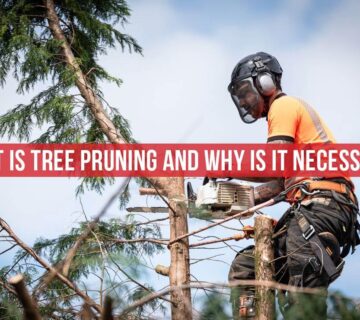
What is tree pruning and why is it necessary?

What exactly is tree pruning?

Tree pruning is the process of removing branches or limbs from a tree. Pruning is necessary for the health, safety, and longevity of the tree. It also helps to control the growth of the tree and can be used to shape a tree to improve its overall appearance and structural integrity.

Why tree pruning is necessary?

This is a question that can be answered by considering the tree’s size, the amount of foliage, and the overall health of the tree. When trees that are too large for their environment a pruning strategy should be planned as soon as possible. Trees that are sickly or dying should also be pruned as soon as possible to avoid danger from falling trees or limbs. If you notice that your tree has started to it is likely that the tree is in the process of falling! It is now time to immediately time to call Tomahawk Tree Service before damages occur.

There are many benefits to consider when pruning a tree which include better overall tree health, improved structural integrity, and a reduced risk of falling branches and limbs that can cause personal injury, property damage, and/or powerline interference.

Tree pruning can also help improve the amount of sunlight and wind to pass through the tree to allow for optimal growth of grass, plants, and other trees in the surrounding area. This can improve the trees survivability of high winds and storms.

What are the different types of tree pruning?

There are a few different types of tree pruning. These include:

Deadwooding

Deadwooding a tree is the process of removing dead, dying, or diseased branches from the tree. This helps to improve the tree’s health and appearance and can also help to prevent damage to nearby property or even people. Dead wooding prevents decay from spreading further into the tree which helps to increase the longevity and lifespan of a tree.  

Selective Pruning

Selective tree pruning is the removal of selected branches or limbs from a tree in order to improve its structure, shape, or growth.

Corrective Tree Pruning

Corrective tree pruning is the selective process of repair or removal of beams, branches, and limbs to improve the structure or appearance of the tree. It is typically used to remove damaged, diseased, or dead branches, as well as to thin out overcrowded areas.

Tree Thinning

Tree thinning is a combination of structural and selective pruning. The process of thinning a tree involves removing selected branches to accomplish a specific purpose. For instance, you may want to prune specific limbs to allow sunlight to reach the ground to improve grass growth under the tree. Or allowing wind to pass through the tree to mitigate potential damage to beams, branches, and limbs during high winds.

Canopy Lifting

Canopy lifting is simply cutting the lower branches of a tree to allow room for a variety of reasons. You may want to allow people to walk under the tree without having to dodge branches, you may also want to plant vegetation under the tree, or you may also want to lift the canopy for a visual effect. Many people may think lifting a canopy will allow additional sunlight to reach the ground, but this isn’t always the case because for every action there is an equal and opposite reaction. Canopy lifting typically causes upper branches to grow larger and taller. It’s important to consult your Tomahawk Arborist to discuss your specific needs and a pruning solution to accomplish your goal.

Structural tree pruning

Structural tree pruning is a process of removing limbs and branches of a tree that are growing in an undesirable direction, interfering with surroundings, or competing with the central lead. This should be done in various stages of the trees life for ideal structural soundness.  

Conclusion

Tree pruning and tree care are important because it helps a tree maintain its health and encourages proper growth. Other benefits of tree trimming include protecting your home or property from falling tree damage by allowing trees to maintain an upright shape and grow strong roots, trunks, and branches. If you would like to book a pruning estimate please contact Tomahawk Tree Service today to get started.

Written by tomahawktreeservice · Categorized: Atlanta Arborist, Tree Care, Tree Health, Tree Service Blog

  • Page 1
  • Page 2
  • Go to Next Page »

Footer

Atlanta's Best Tree Service Award to Tomahawk Tree Service

Follow Us on Social Media

Facebook icon Twitter icon

Expertise in crane work, storm damage, and insurance claim projects.

For Emergency Service call 770-640-0003
or Click Here to Contact us

Leave Us A Review

© 2025 Tomahawk Tree Service | Fully Licensed & Insured